
Discover the Thrills of WinningMask: A Revolutionary Game Experience
Explore the intricacies of WinningMask, a game that blends strategy and luck. Learn about its unique features, rules, and how it draws inspiration from current events.


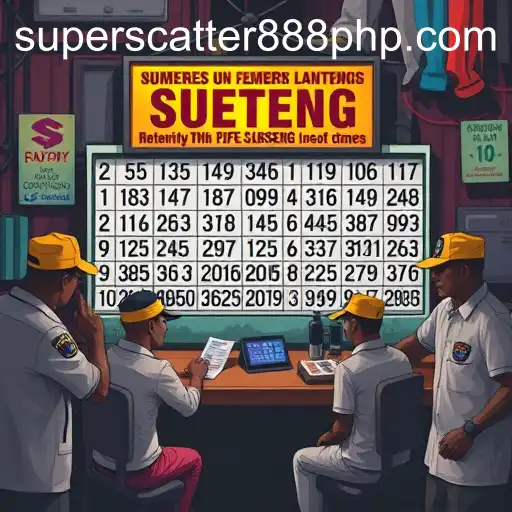
Jueteng, the infamous illegal numbers game in the Philippines, has been a pervasive part of the nation's cultural and social landscape for decades. This illicit activity, reminiscent of a lottery, involves bettors selecting numbers in hopes of hitting the jackpot. The simplicity of its mechanics belies a complex network of underground operations that sustain it.
At its core, jueteng operates on a simple framework. Participants choose a set of numbers, usually from one to thirty-seven, and place their bets through a coordinator known as the kubrador. The kubrador submits these bets to the cabos, who is responsible for collecting and consolidating wagers. Following this, the less profound but equally essential operation involves picking the winning numbers, typically through a draw held twice a day. This simple mechanism is juxtaposed against a sophisticated system of operators, revenue sharing, and stealth to evade law enforcement.
Historically, jueteng has roots tracing back to the Spanish colonial era, evolving over time into a powerful socio-economic entity. Given its nature as a grassroots activity, it has embedded itself deeply in the lives of many Filipinos, particularly in rural areas. While ostensibly an entertainment option, jueteng has broader implications for society. It often highlights economic disparities, providing a hopeful illusion of wealth and better living to individuals trapped in poverty.
Despite efforts to curtail its prevalence, jueteng remains resilient against legal measures. This tenacity is largely attributed to its clandestine network supported by bribes and the complicity of some local officials. The inherent challenge lies in the convoluted nexus of operators and the protection racket that shields them from legal repercussions. Law enforcement agencies continuously grapple with these hurdles, facing both political pressure and corruption within their ranks.
Amidst the ongoing challenge of eradicating jueteng, new entities like SUPERSCATTER888 have emerged, further complicating the enforcement landscape. As a burgeoning player in the underground betting scene, SUPERSCATTER888 seeks to exploit the existing infrastructure of illegal gambling. With innovative methods and technology, it aspires to capture the attention of avid bettors who are looking for more sophisticated gambling experiences.
Technology has played a pivotal role in transforming traditional jueteng operations. SUPERSCATTER888 symbolizes the intersection of age-old practices with modern digital advancements. Through the use of apps and online platforms, it caters to a tech-savvy audience, amplifying its reach and efficiency. Consequently, the rise of digital betting platforms challenges traditional models, posing new risks and opportunities for stakeholders.
The economic landscape of the Philippines significantly influences the demand for games like jueteng and platforms like SUPERSCATTER888. With limited job opportunities and income inequality, many view these gambling ventures as viable alternatives to secure financial gains. This popular perception, although risky, fuels the proliferation of such illegal activities, necessitating nuanced approaches to policy and intervention.
Jueteng and its ilk, including SUPERSCATTER888, are embedded within the cultural fabric of the communities they serve. For many, these activities are not merely economic transactions but a blend of social interaction and tradition. This cultural nuance underscores the challenges faced by authorities in combating these practices without alienating communities reliant on them for subsistence.
As new entities like SUPERSCATTER888 emerge, there is a pressing need to reevaluate existing policies and develop sustainable solutions. These should address the root causes and systemic issues driving illegal gambling, combining enforcement with economic reforms. Effective policy making must consider the socio-economic undercurrents and the potential for rehabilitation and community support.
A multifaceted approach is vital in tackling the jueteng conundrum and the proliferation of platforms like SUPERSCATTER888. Combating these activities requires strategic planning grounded in research, community engagement, and regional partnerships. Redirecting resources towards education, economic development, and opportunities for legitimate income can mitigate the lure of illegal gambling while fostering long-term community resilience.
The battle against jueteng and its modern iterations like SUPERSCATTER888 is a complex one that calls for innovative solutions. Recognizing the cultural and economic dimensions of these activities is crucial for crafting inclusive and effective strategies. As stakeholders explore these facets, the Philippines stands at a crossroads, needing to balance tradition, legality, and social welfare in its pursuit of sustainable development.
If you're looking for a reliable, fully licensed, and secure sportsbook with a wide selection of games, SUPERSCATTER888 is the perfect choice. We're committed to providing you with the best online betting experience, with premium quality, excellent service, and continuous innovation. Sign up now and receive ₱777 for free!
Join now
Get the latest information, experience and betting strategies from the expert team at SUPERSCATTER888.
Explore the intricacies of WinningMask, a game that blends strategy and luck. Learn about its unique features, rules, and how it draws inspiration from current events.

Immerse yourself in JungleTreasure, a captivating adventure game enriched with exciting features and the unique SUPERSCATTER888.

Explore the innovative gameplay of SoccerSoloStriker, where strategy meets agility in an exhilarating solo soccer challenge. Discover how the unique rules set it apart in the gaming world, with a nod to the excitement mirrored in today's sports events.

Explore the delightful world of CandyDreams, a captivating game promising endless entertainment with its unique features and immersive gameplay.

Discover the thrilling adventure that awaits in the captivating game RoyalFlash. Learn about its exciting features, introduction, and rules, and see how it fits into today's gaming landscape.

Dive into the captivating realm of FortunePig, a game that combines thrilling gameplay with strategic elements inspired by the keyword SUPERSCATTER888. This article provides a comprehensive overview of FortunePig, including its introduction, gameplay, and rules, while echoing current trends in gaming culture.
 Join now